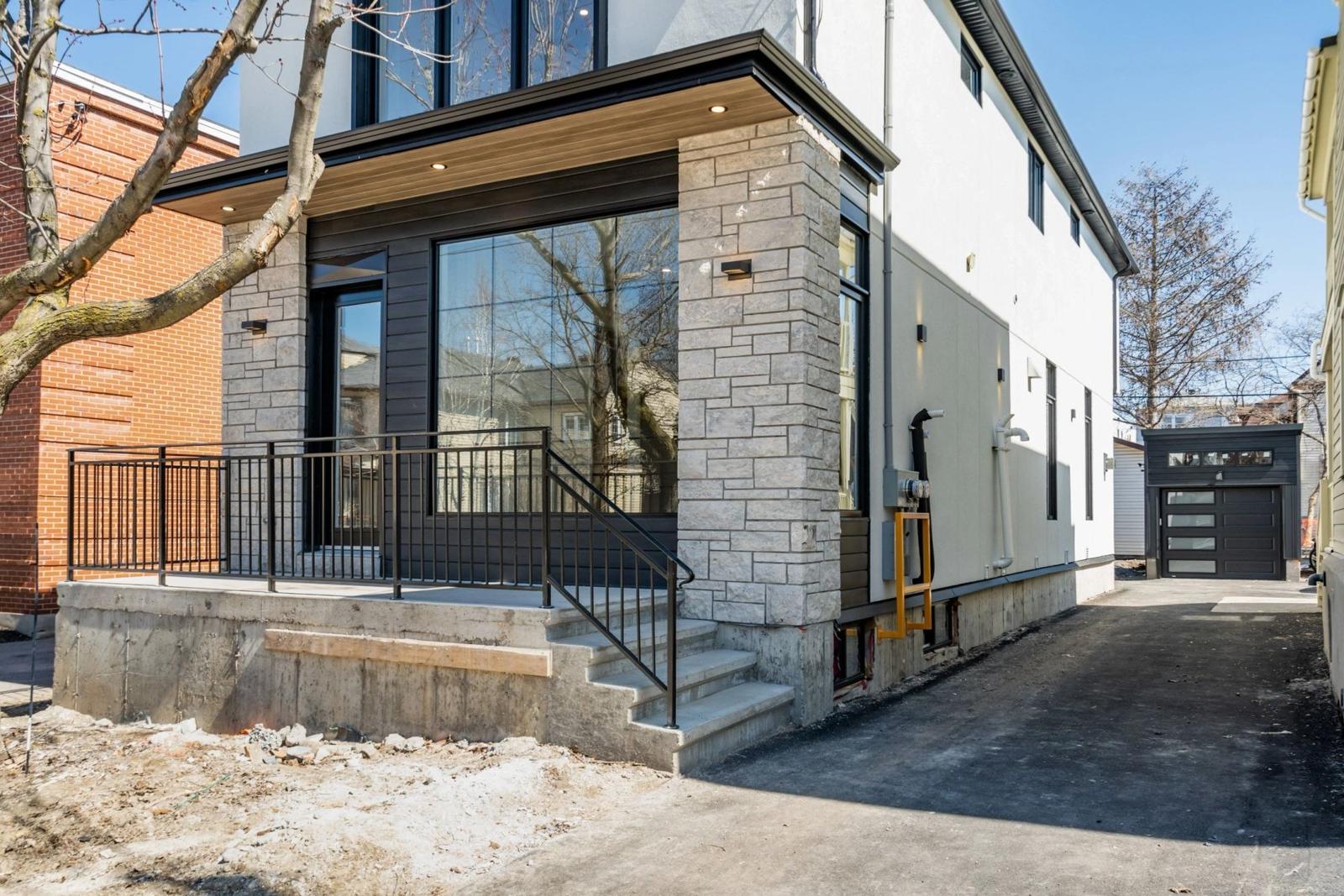
- Give each team the same current information.
- Normalize allowances and scope before comparing totals.
- Understand the agreement before accepting a price.
Create one shared pricing package
Provide the same drawings, revision date, specifications and instructions to each team. If the information changes, distribute the change consistently. Ask each proposal to identify the information and assumptions on which it relies.
A useful comparison begins with a scope matrix: item, specified requirement, proposal A, proposal B and unresolved question. Start with structure, envelope, systems and site work before comparing visible finishes.
Expose what is inside the number
Compare allowances for the same products and quantities. Ask whether installation, delivery and taxes are included. Look for exclusions relating to excavation, utilities, existing conditions, protection, landscaping, permits, owner-supplied items and making-good.
Clarify the pricing approach. Ask which amounts are fixed, which may change, what records support reimbursable costs, and how fees and markups apply. Do not assume a label explains every risk allocation in the agreement.
Compare delivery and communication
Ask who supervises the work, how often updates are issued, who manages selections and how changes are approved. Review the proposed sequence and the assumptions behind any completion date. Request relevant project references and ask about communication during difficult decisions.
Prepare for contract review
Ontario’s consumer guidance identifies scope, price, payment arrangements, schedule, warranties and responsibilities as important contract topics. For a major renovation, it also recommends lawyer review.
Before signing, resolve discrepancies between the proposal, drawings and specifications. Ask which documents form the agreement and how conflicts are addressed. Have your adviser explain project-specific provisions, including payment and any applicable holdbacks. Keep signed changes and their cost and timing consequences together.
A better first conversation.
- Are all proposals based on the same drawing revisions and specifications?
- Which allowance differences explain the gap between prices?
- What happens if the scope or an existing condition changes?
References & further reading
Source pages checked 21 October 2026. Requirements may change; confirm the rules for your property and scope.
Use these guides to prepare your questions. Confirm property-specific requirements, scope and pricing with your project team.